
Introduction
Running a business or managing freelance projects can be overwhelming. From contracts and invoices to marketing plans and client proposals, creating professional documents takes time and effort. Business & freelancing templates offer a solution to this problem.
Templates are pre-designed, customizable files that allow entrepreneurs, freelancers, and small business owners to save time, maintain professionalism, and stay organized. They come in various formats like Word, Excel, Google Docs, Canva, or PDF, making them easy to use and accessible.
In this article, we will explore the types, benefits, and best practices for using business and freelancing templates, along with tips to maximize their impact.
SEO Keywords: business templates, freelancing templates, professional templates for entrepreneurs, client proposal templates, invoice templates
What Are Business & Freelancing Templates?
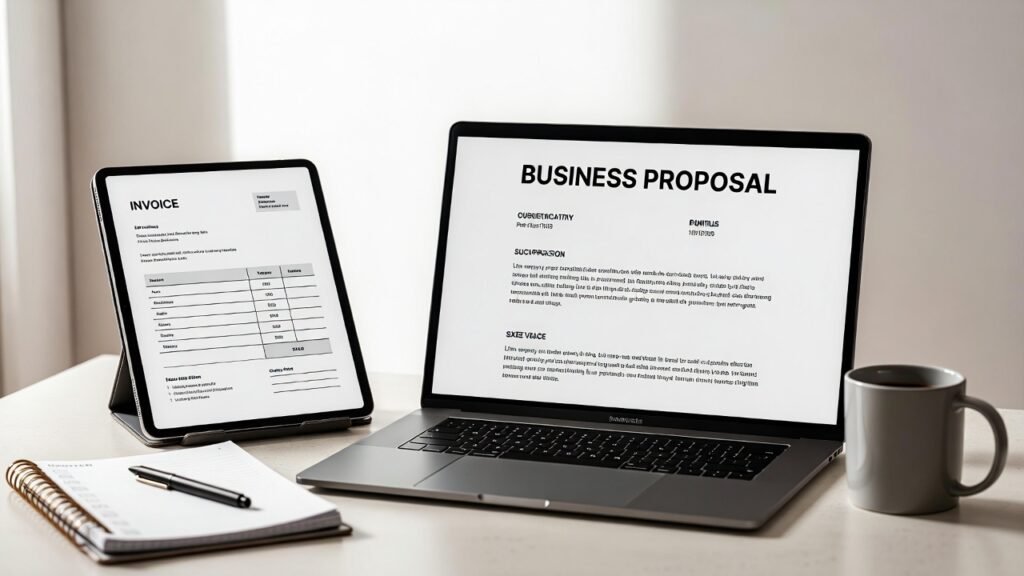
Business & freelancing templates are ready-made documents, forms, and digital resources designed to streamline work processes for businesses and freelancers.
Common types include:
- Invoices and billing templates
- Contracts and agreements
- Project proposals and briefs
- Marketing plans and strategies
- Social media calendars
- Business reports and analytics sheets
These templates save time by providing pre-formatted layouts that only require minor customization, eliminating the need to start from scratch.
Benefits of Using Templates
1. Save Time
Creating professional documents manually can take hours. Templates allow users to quickly fill in the necessary information, speeding up workflow and improving efficiency.
2. Maintain Professionalism
Templates are often designed by experts, ensuring consistent formatting, professional layouts, and polished designs that impress clients and stakeholders.
3. Reduce Errors
Pre-formatted templates include guidelines and placeholders, which reduce the chance of errors in contracts, invoices, or proposals.
4. Cost-Effective Solution
Hiring a designer or consultant to create documents from scratch can be expensive. Templates offer a budget-friendly alternative with professional results.
5. Boost Productivity
By streamlining document creation, templates free up time for more important tasks like client communication, strategy planning, and marketing efforts.
Types of Business & Freelancing Templates
1. Invoices & Billing Templates
- Pre-designed invoice layouts for freelancers and businesses
- Customizable fields for services, rates, taxes, and totals
- Compatible with Word, Excel, Google Docs, or PDF
2. Contracts & Agreements
- Service agreements for freelance projects
- NDAs (Non-Disclosure Agreements) for clients
- Partnership or collaboration agreements
- Templates ensure legally sound and clear documentation
3. Proposals & Project Briefs
- Templates for client pitches and project outlines
- Sections for objectives, deliverables, timelines, and budgets
- Helps freelancers and agencies present professional proposals
4. Marketing & Social Media Templates
- Marketing plans, campaign trackers, and social media calendars
- Ready-made layouts for Instagram posts, email campaigns, and content planning
- Ensures consistent branding and content strategy
5. Reports & Analytics Templates
- Financial reports, project reports, or performance analysis templates
- Easy-to-fill charts, tables, and graphs
- Makes tracking business metrics simple and organized
How to Use Business & Freelancing Templates Effectively
1. Choose Templates Relevant to Your Work
Select templates that match your business type, niche, or freelance services to maximize efficiency and relevance.
2. Customize for Branding
Add logos, brand colors, fonts, and personalized elements to maintain brand identity across all documents.
3. Keep Templates Organized
Create folders or cloud storage systems for different templates to find and reuse them quickly.
4. Update Regularly
Review templates periodically to ensure they meet current standards and legal requirements.
5. Combine Templates for Workflow
For example, link proposals with invoices and contracts to create a seamless client workflow.
Why Freelancers Need Templates
- Professional Impressions: Templates help freelancers appear professional even when just starting out.
- Time-Saving: Reduce repetitive work like drafting proposals or invoices.
- Accuracy: Avoid missing crucial details like payment terms or project scope.
- Scalability: Manage multiple clients efficiently with ready-to-use templates.
Top Tools for Business & Freelancing Templates
- Canva – Great for visually appealing proposals, social media templates, and presentations
- Microsoft Word / Google Docs – Ideal for contracts, reports, and simple business documents
- Excel / Google Sheets – Perfect for invoices, financial reports, and trackers
- Adobe Illustrator / Photoshop – Best for high-quality marketing templates
- Envato Elements / Creative Market – Access to premium template packs for various business needs
Tips for Maximizing the Value of Templates
- Standardize your process: Use templates to create uniform documentation for clients.
- Add personalization: Even though templates save time, customize them to fit each client or project.
- Leverage automation: Integrate templates with software like Google Drive, Trello, or Slack to automate workflow.
- Use as learning tools: New freelancers can study template structures to understand professional document standards.
Common Mistakes to Avoid
- Not Customizing Templates: Using them as-is can look generic or unprofessional.
- Overloading Information: Keep templates concise and readable.
- Ignoring Updates: Outdated templates may contain incorrect legal or financial details.
- Neglecting Branding: Failing to add your brand elements can reduce professional impact.
Case Studies & Success Stories
- Freelancer Efficiency: A graphic designer used project brief and invoice templates, reducing project setup time by 50% and improving client satisfaction.
- Small Business Organization: A boutique agency implemented marketing and reporting templates, streamlining workflow and improving team collaboration.
- Startup Professionalism: A new freelancer used contracts and proposal templates to secure first clients confidently, boosting credibility and trust.
Conclusion
Business & Freelancing Templates are essential tools for anyone looking to save time, stay organized, and maintain professionalism. They empower entrepreneurs, freelancers, and small businesses to create professional documents without the stress of designing from scratch.
Using templates effectively can boost productivity, reduce errors, and help scale your work efficiently. From invoices to contracts, marketing plans to reports, templates ensure your business operations are streamlined and professional.
Invest in high-quality templates today and experience the difference in efficiency, professionalism, and